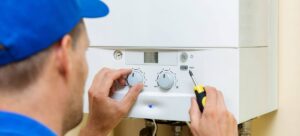
Resetting your boiler can be a simple and effective solution when you're experiencing common issues, but it’s crucial to do it safely and at the right time. Understanding boiler fault codes is the first step in determining whether a reset is appropriate or if professional intervention is necessary. Fault codes often indicate specific problems, and while resetting the system may temporarily solve minor issues, it’s important to understand the cause behind the fault before taking action. Here’s a step-by-step guide on how to reset your boiler safely and when you should call a technician for help.
Why Would You Need to Reset Your Boiler?
Boilers are designed with safety mechanisms that shut them down when an issue arises. A boiler may need resetting due to various problems, such as:
- Low water pressure
- Power surges or electrical faults
- Blocked or frozen condensate pipes
- Ignition failures
Before resetting, it’s crucial to check the error or fault code displayed on your boiler’s screen. Understanding boiler fault codes will help you identify whether the issue is a simple fix or if it points to a more serious underlying problem. If the code suggests a minor issue, resetting your boiler could get it running again. However, persistent or serious fault codes should be addressed by a qualified technician.
Step-by-Step Guide to Resetting Your Boiler
Check for Error Codes
Before attempting a reset, look at your boiler’s display panel to see if there are any fault codes or error messages. These codes provide important information about what’s causing the issue. Refer to your boiler’s manual for an explanation of the fault code, or contact a professional if you’re unsure. If the code suggests a simple issue like low pressure or ignition failure, a reset may be the next logical step.
Turn Off the Boiler
For safety, always turn off your boiler and allow it to cool down for at least 10-15 minutes before attempting a reset. This reduces the risk of overheating and allows any safety mechanisms in the system to reset.
Locate the Reset Button
Most modern boilers come with a reset button, which is usually located on the front panel. Depending on your boiler model, the button might be labeled clearly as "reset" or represented by a small symbol. If you’re having trouble finding it, consult your boiler’s user manual.
Press and Hold the Reset Button
Once you’ve found the reset button, press and hold it for about 5-10 seconds. The boiler should start the reset process. In some models, you may hear a click or see the display light up, indicating that the reset has been triggered. Release the button once you’ve held it down for the appropriate time.
Wait for the Boiler to Restart
After resetting, your boiler should begin its start-up sequence. This process may take a few minutes as the system checks for any lingering issues. During this time, the boiler’s display may flash or show new messages, but this is part of the normal restart process. Keep an eye on the system and make sure it stabilizes without any new fault codes.
When Not to Reset Your Boiler
While resetting your boiler can solve minor issues, there are times when a reset should be avoided. If the same fault code reappears frequently, resetting the boiler repeatedly can cause more harm than good. For example, persistent ignition failure or low-pressure codes could indicate a more serious issue, such as a gas supply problem or a faulty pressure relief valve.
In such cases, contact a professional technician to diagnose and fix the issue properly. Repeatedly resetting the boiler without addressing the root cause may worsen the problem or lead to a complete system breakdown.
Regular Maintenance to Avoid Resets
Regular boiler maintenance can help prevent issues that require frequent resets. Annual servicing ensures that your boiler’s key components, such as the pressure relief valve, condensate pipe, and thermostat, are working properly. A well-maintained boiler is less likely to develop faults, keeping your home warm and reducing the likelihood of unexpected shutdowns.
Conclusion
Knowing how and when to reset your boiler is a useful skill for any homeowner, but understanding boiler fault codes is the key to making sure you’re addressing the problem correctly. A simple reset can resolve many minor issues, but persistent or complex faults should always be handled by a professional technician. Regular maintenance and monitoring can prevent many boiler problems, ensuring that your heating system remains reliable and efficient throughout the year.